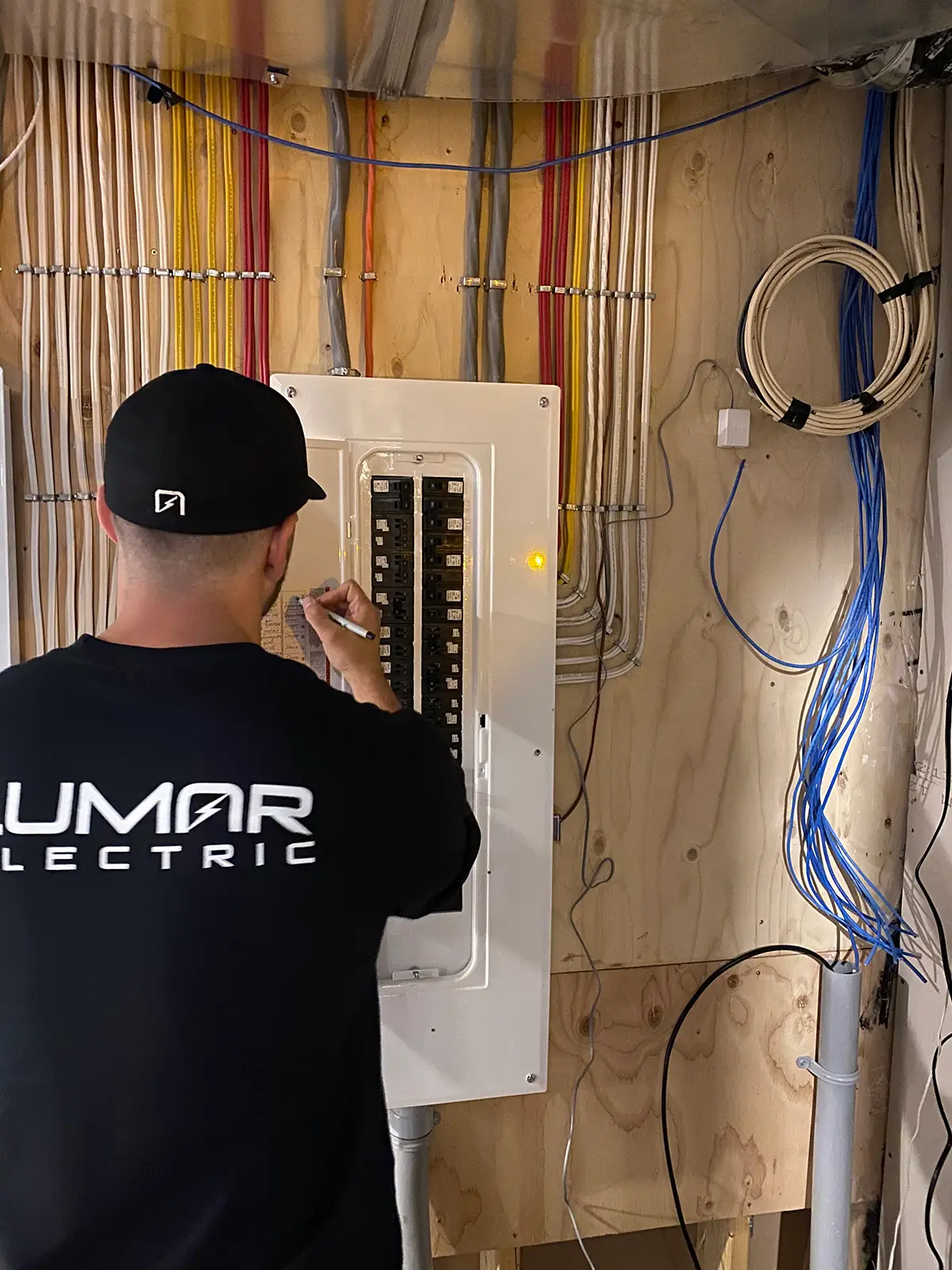
A LuMar Electric electrician working inside an open electrical panel

The homeowner’s electrical safety checklist

Fifteen minutes, one walk through the house. What to look for, and which signs are worth a licensed electrician’s eyes.

Book an electrical check

Moncton (506) 389-2393PEI (782) 377-8509

How to use it

Walk through the house with this list. Anything you can tick is worth a closer look; nothing here needs you to open a panel or touch wiring. If you smell burning or see sparks, stay clear, and if it is safe to reach the panel, switch that circuit off before you call.

Around the house

  1. Breakers that trip again and againA breaker trips to protect a circuit from an overload or a fault. One that keeps tripping is telling you something.
  2. Warm, discoloured or buzzing outlets and switchesA cover plate that feels warm, has brown marks, crackles or smells of burning should not be used until it has been looked at.
  3. Lights that flicker or dimLights that dim when an appliance starts, or flicker on their own, can point to a loose connection or an overloaded circuit.
  4. Two-prong outlets, or no GFCI near waterOutlets near sinks, tubs and outside should be GFCI-protected. Older homes often have neither GFCIs nor grounded outlets.
  5. Extension cords doing a permanent jobCords run under rugs or power bars plugged into power bars are usually a sign the room needs another circuit.

At the panel

  1. An old fuse panel, or no room for another breakerIf there is no space left, every new circuit — a heat pump, a charger, a renovation — has to wait for a panel upgrade.
  2. Rust, scorch marks or a warm panel coverAny of these on the panel itself is worth a licensed electrician’s visit.
  3. Breakers nobody has labelledIn a hurry you should be able to find the right breaker. An electrician can trace and label them.

The wiring and the house

  1. Knob-and-tube or aluminum wiringOften found by a home inspector or an insurer first. Both were built for far less electrical use than a home has today.
  2. Smoke and carbon monoxide alarmsTest them, and replace any that are past their expiry date. Hardwired alarms keep working when a battery would not.
  3. Outdoor outlets, covers and fixturesCracked covers, missing weatherproof lids and loose outdoor fixtures let water in where it should not be.
  4. The service mast and overhead cableA leaning mast or damaged cable where the power enters the house needs attention. Don’t touch it.

Before you add something

  1. A heat pump, an EV charger or a hot tubEach needs its own circuit and room in the panel. Check capacity before you buy.
  2. A basement finish or a kitchen renovationOpen walls are the cheapest time to add circuits, lighting and outlets — and to replace old wiring.

This checklist is general information, not an inspection. Only a licensed electrician who has seen your home can tell you what it needs.

How it works

Getting it fixed takes three steps

No guesswork and no surprise invoices — you know what happens next before you ever pick up the phone.

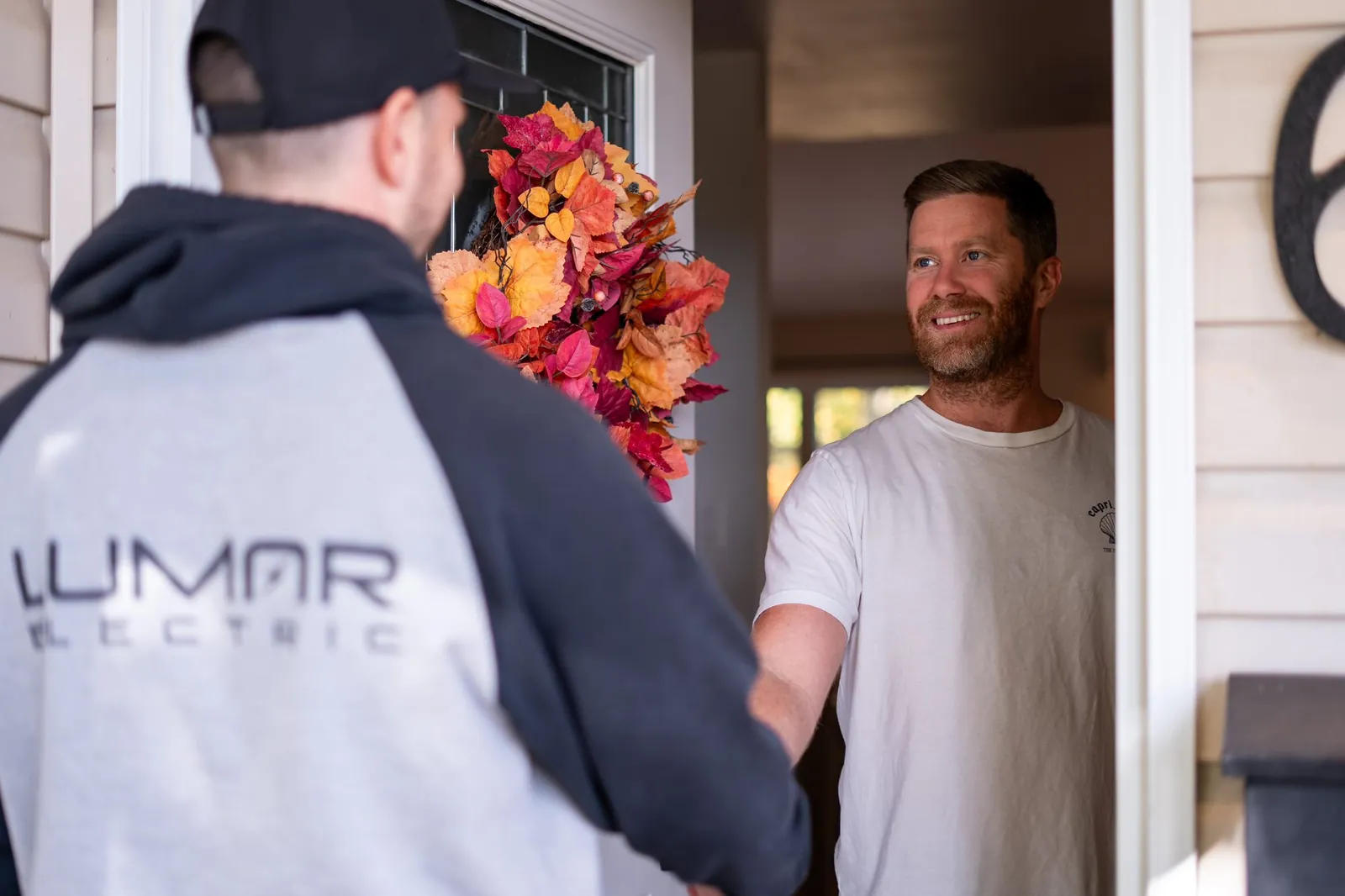
A LuMar Electric electrician greeting a homeowner at the front door

Tell us what’s going on

Call us or book online in about a minute. Describe the problem or the project and we’ll get you on the schedule.
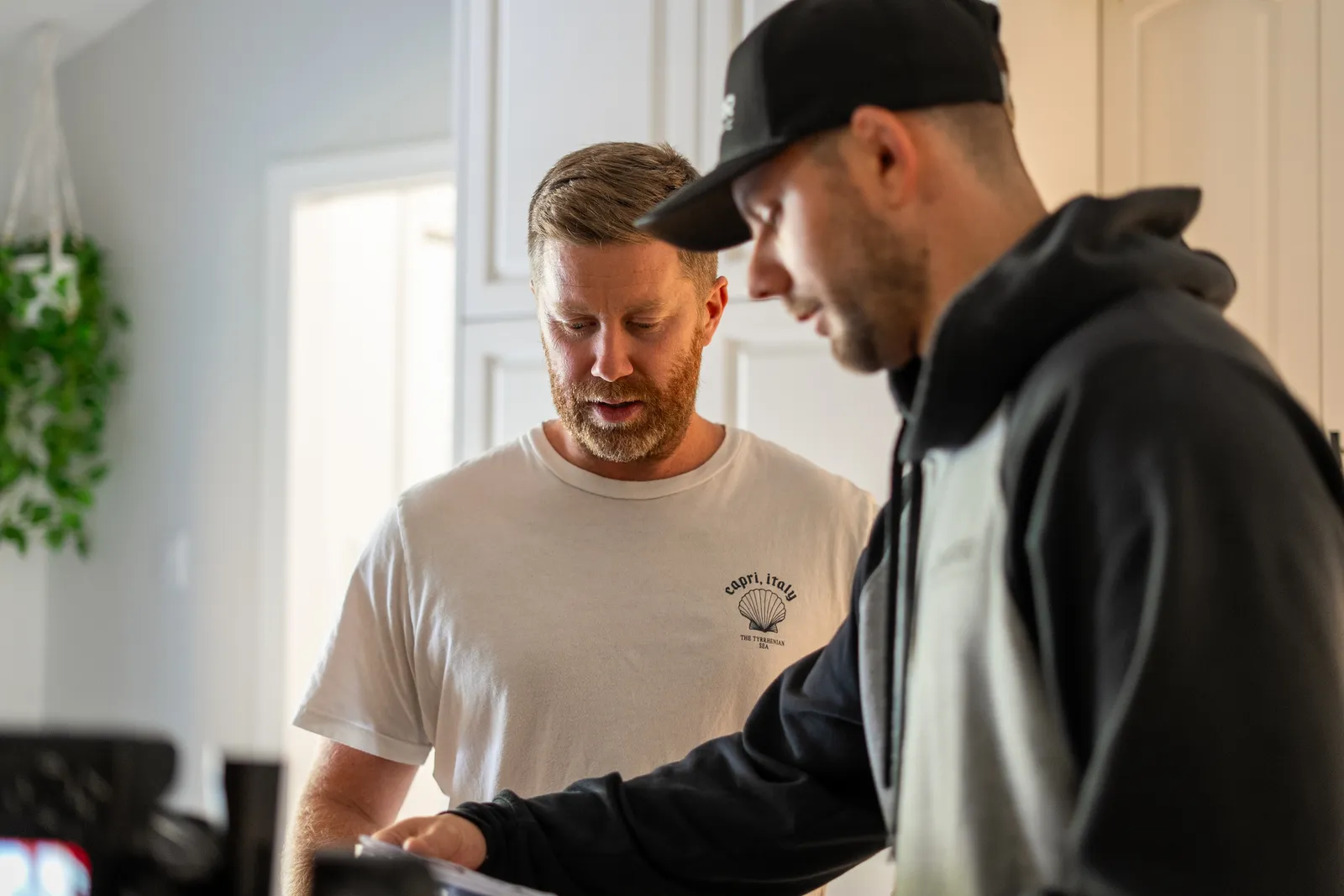
A LuMar Electric electrician going over the work with a homeowner

We assess and quote

A licensed electrician looks at the work and walks you through what it needs and what it costs, so you decide before we start.
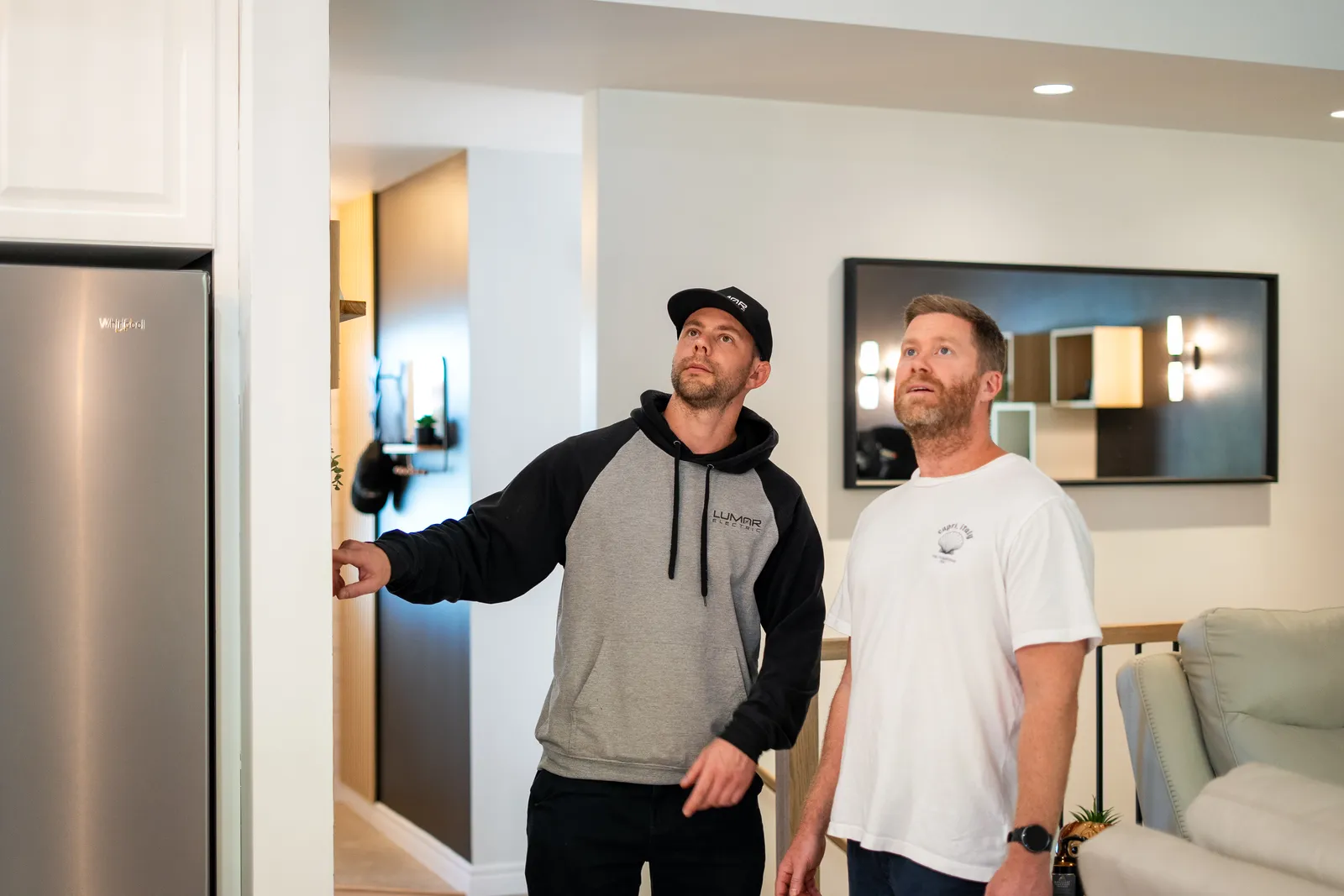
A LuMar Electric electrician showing a homeowner the finished lighting

We do it right

Code-compliant work from a COR® certified team, cleaned up when we leave, backed by our 100% satisfaction guarantee.

Book a Service Call

Book a service call

Tell us what’s going on

Pick a time in the form below and it goes straight to our team. Rather talk it through? Call the office nearest you.

(506) 389-2393 (782) 377-8509 116 Rooney Crescent, Moncton, NB E1E 4M3

Form not loading? Open it in a new tab